Savile Row and Generation Z: young people reinterpreting sartorial heritage
In the heart of London, Savile Row has, for more than two centuries, stood as the place where tailoring became an art form. It was here that bespoke suits were created not only to dress bodies but also to project power, discipline, and refinement. Figures such as Winston Churchill, Cary Grant, and Mick Jagger trusted their tailors to craft an image that transcended the personal and became part of cultural history. Every stitch was a declaration of belonging to a world where detail mattered more than ostentation.
Savile Row did not just shape the way men dressed; it defined social and professional codes across generations. A suit made within its workshops represented more than style: it was a symbolic passport into an exclusive circle where precision, tradition, and craftsmanship were non-negotiable values.
From grandparents to grandchildren
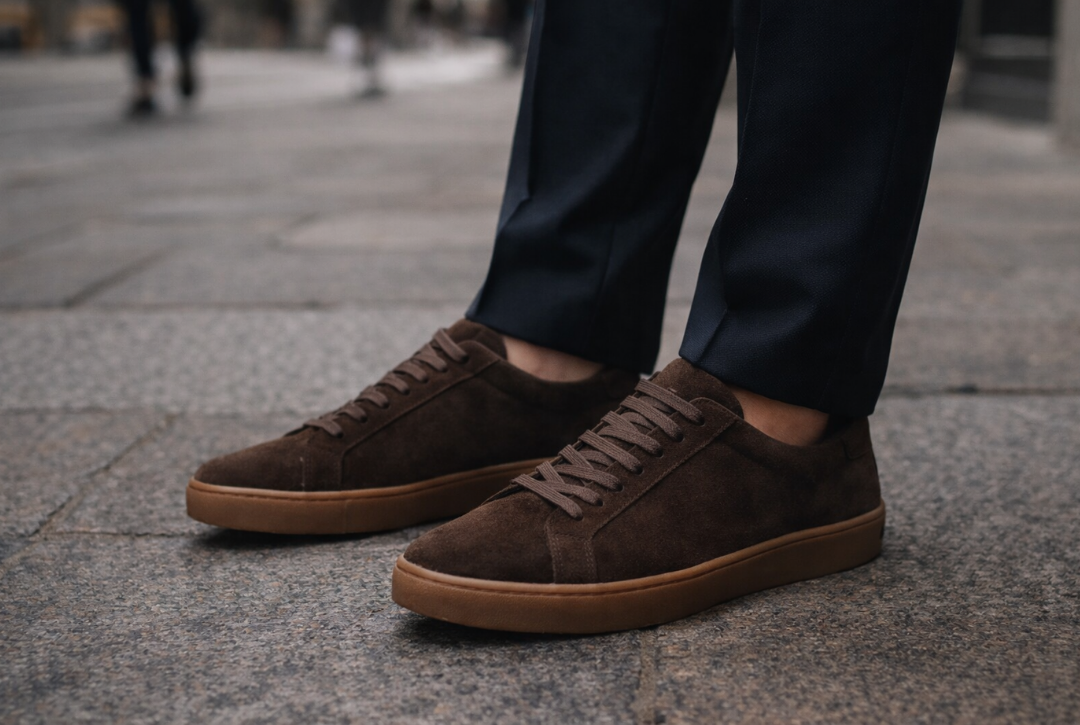
Today, those very garments, once made for a world of solemnity, reappear in a completely different context. Members of Generation Z, far removed from the rigidity of old protocols, are discovering in their fathers’ and grandfathers’ suits a resource loaded with memory. These are not clothes that imitate the past; they are re-signified. What once accompanied a City banker or a British aristocrat is now paired with sneakers, tote bags, or deconstructed shirts.
Every inherited suit tells a story, and Generation Z has understood that wearing it is not merely an aesthetic gesture. It is about carrying a family and cultural narrative. That emotional connection is what makes the reinterpretation so powerful, turning the garment into a bridge between eras.
Reinterpreting without losing the soul
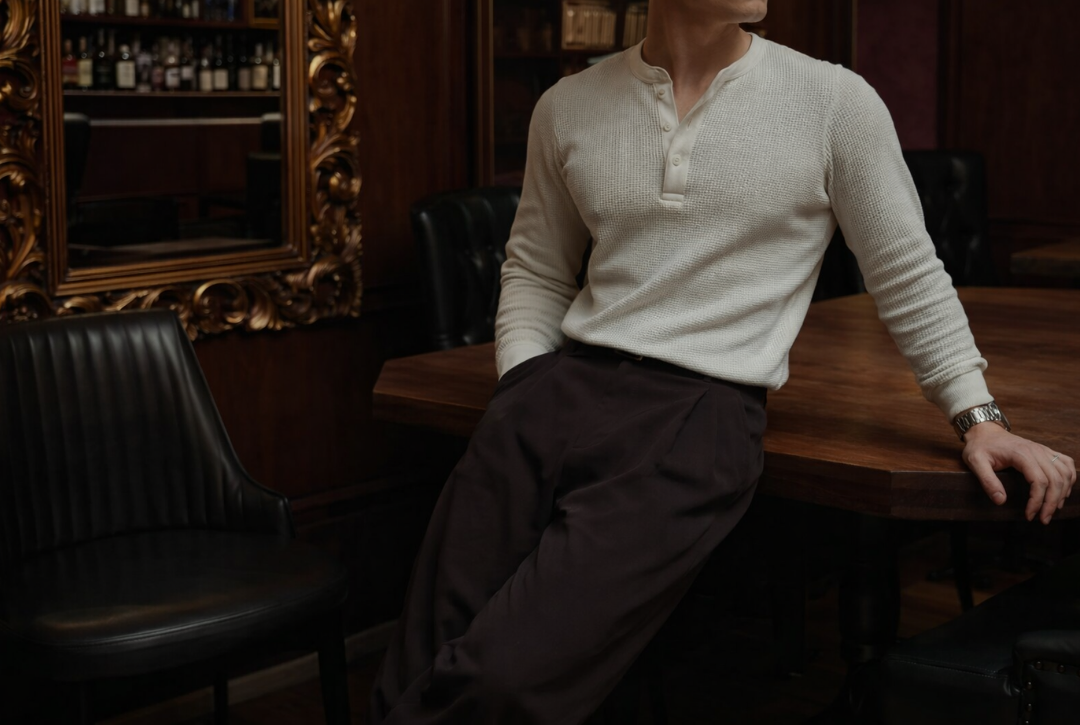
The way this generation adapts Savile Row tailoring reflects a profound shift in fashion consumption. Against the culture of fast fashion, choosing to revive an inherited suit is an act of sustainability, of respect for quality and durability. The classic silhouette is reinterpreted through modern codes: oversized jackets, trousers worn with graphic T-shirts or minimalist sneakers, ties replaced by subtle chains or light scarves.
In this game of contrasts, the suit ceases to be an obligation and becomes an act of freedom. It is no longer about following rules but about breaking them with authenticity. What is striking is that, even as the styling evolves, the soul of British tailoring remains intact: the flawless construction, the noble fabrics, the perfect drape.
Tailoring as a declaration of identity
For Generation Z, the suit has become much more than formalwear. In their hands, tailoring is a tool of self-expression—a symbol of how the classical can be reclaimed to build a contemporary identity. In a world saturated with fleeting trends and rapid imagery, bringing back a Savile Row suit is a way to stand apart, to speak of authenticity, and to align with timeless values.
The paradox is revealing: what once represented uniformity is now a vehicle of individuality. The very same suit a grandfather wore to comply with protocol is now worn by his grandson to defy it. Elegance, in this new context, does not depend on rules but on the way those rules are reinterpreted.
The future of tailoring
The renewed interest of Generation Z in tailoring sends a clear message: the craft has a future because it knows how to reinvent itself without betraying its essence. Savile Row is no longer just a symbol of aristocratic or corporate lifestyles but a source of inspiration for those seeking authenticity in an increasingly mass-market world.
And this is not an isolated phenomenon. Emerging brands are reviving the spirit of British tailoring while adapting it to contemporary sensibilities: softer cuts, sustainable fabrics, genderless proposals. Heritage turns into innovation, and what once seemed a relic of the past becomes a manifesto of the present.
Continuity, not nostalgia
Ultimately, what is happening with Savile Row and Generation Z is not nostalgia but continuity. These young people are not wearing their grandparents’ suits to look like them, but to write a new story on the same foundation. They do it their own way—irreverent yet respectful. And that duality proves that tailoring is still alive, more than ever.
In a world obsessed with immediacy, bringing back a suit that has been kept for decades is an act of patience, awareness, and style. A reminder that true elegance never expires: it is inherited, adapted, and reinterpreted.