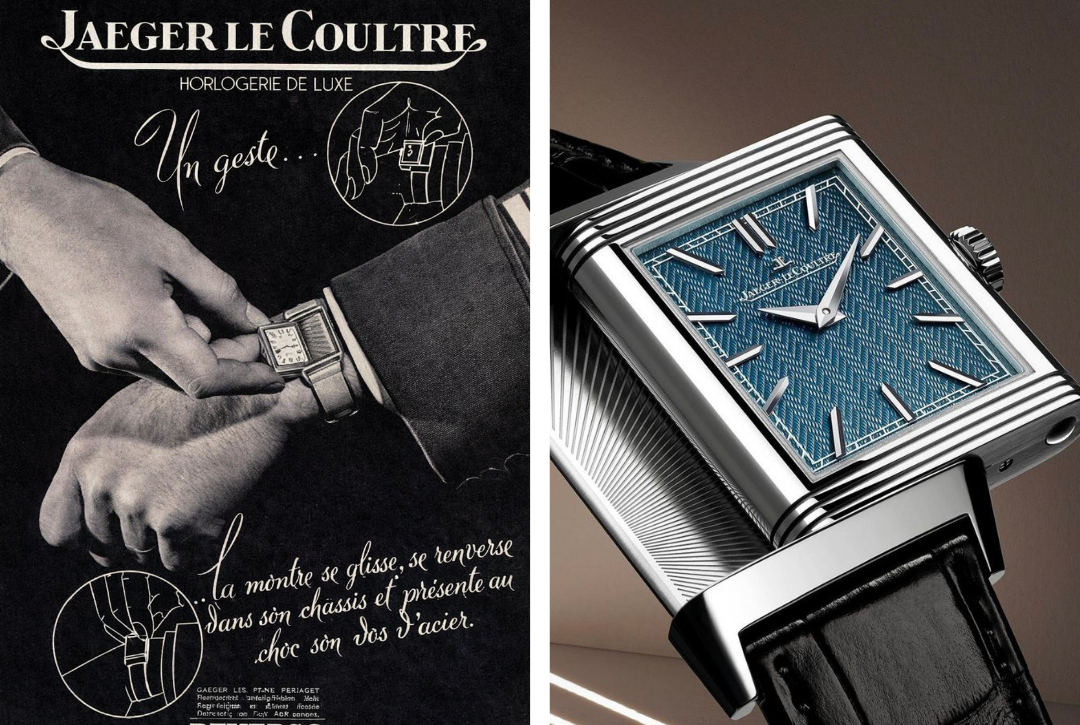
The watch on your wrist is more than just an accessory—it represents your personal style, taste, and often your own story. To ensure it maintains its value and precision over time, it’s essential to incorporate certain daily routines. Careful cleaning with a microfiber cloth is sufficient to remove dust and dirt particles that, although seemingly harmless, can gradually accumulate and damage surfaces or straps. For water-resistant watches, a gentle cleaning with lukewarm water and neutral soap is ideal, always avoiding direct contact with liquids for leather or textile straps.
Additionally, keeping your watch away from everyday chemicals like perfumes, colognes, or body lotions is crucial to preserve original finishes and materials. A simple yet effective practice is to apply these products well before putting on your watch, allowing sufficient time for evaporation or absorption. Consistency in these routines will noticeably enhance your watch’s appearance and preservation over the years.
Common mistakes you should avoid
Even if you believe your watch is well-protected, we often unknowingly commit errors that compromise its integrity. One of the most common mistakes is incorrectly setting the date or time near midnight, particularly between 9 PM and 3 AM. During these hours, the internal mechanism prepares for the automatic date change, and any manual adjustments could cause delicate and costly damages.
Another frequent error is exposing your watch to sudden temperature changes or humidity. Quickly transitioning from a cold environment to a warmer one can cause internal condensation—a subtle damage often overlooked, but one that significantly affects the accuracy of the movement and the integrity of internal components in the long term. If you notice even the slightest moisture or condensation under the crystal, seeking professional assistance immediately is essential.
Finally, resist the temptation to attempt repairing your watch by yourself. Though it might seem like a simple task, a lack of specific knowledge and proper tools can transform a quick fix into a far more complicated issue. It’s always best to leave internal adjustments in the hands of qualified experts.
Preserving the internal mechanism: Practical tips
Taking care of your watch’s interior is as crucial as keeping its exterior impeccable. Each mechanism requires particular attention based on its type. Automatic watches ideally should remain in constant motion to guarantee proper function and lubrication of internal components. If you don’t frequently wear your automatic watch, investing in a watch winder is an excellent choice, simulating the natural movement of the wrist to maintain the mechanism active and perfectly lubricated.
For manual mechanical watches, gentleness in winding is key. Never force the crown or wind it to its maximum limit abruptly. Quartz watches, although generally sturdier, require timely battery replacements to prevent internal corrosion from potential battery leaks, thus preserving the watch’s integrity. Regardless of your watch type, remember that gentle, consistent movements ensure the prolonged life of the internal mechanism, protecting your investment and maintaining exceptional performance.
When to seek professional help and how to choose correctly
Despite meticulous care, there comes a time when your watch requires professional servicing. The recommended interval for servicing is three to five years for mechanical or automatic watches and at least every battery change for quartz models. Beyond these general recommendations, certain clear signs indicate the need for immediate intervention: constant advancement or delay in timekeeping, unusual sounds from the mechanism, or excessive resistance when turning the crown are evident examples.
Choosing correctly whom you trust with your watch is vital. Always prioritize certified professionals, preferably authorized service centers by your watch’s brand. This guarantees not only effective repairs but also the preservation of your watch’s value and authenticity. Official service centers usually provide additional warranties, essential for maintaining your watch’s prestige and reliability over the long term.
Properly caring for a watch is more than an elegant habit—it’s a tangible form of respect toward an item whose value transcends monetary worth and, with adequate care, can be passed intact from generation to generation.