Fashion and luxury: two visions of style with different languages
In everyday conversation, we often use “fashion” and “luxury” as if they were the same. Two sides of the same coin, when in reality they speak different and even opposing languages. Fashion, in its essence, responds to an immediate pulse. It is born from the present, fueled by trends that change at the speed of a season, and needs to constantly renew its discourse to remain relevant. Luxury, on the other hand, distances itself from the calendar. Its strength does not lie in novelty, but in permanence; it does not thrive on what everyone is talking about, but on what transcends and endures as a timeless reference.
The difference is profound because it speaks to two ways of relating to clothing and objects. While fashion democratizes itself and becomes accessible to a broad audience, luxury remains selective. Not because it excludes, but because it is built on invisible codes, on symbols shared by those who know how to recognize them. Fashion dresses the present; luxury weaves a story that seeks to transcend into the future.
Fashion: the changing pulse of the moment
Fashion is, by nature, ephemeral. Its very purpose is to capture the attention of today’s consumer, even if that means becoming obsolete tomorrow. The calendar of fashion shows, with collections following one another in quick succession, reflects this constant urgency. The fashion system needs to reinvent itself to maintain the illusion of novelty. That is why a jacket that is a trend today may be discarded in a matter of months, and why fashion itself becomes a global language that everyone can understand.
Brands such as ZARA, H&M, or even luxury houses that have embraced fast fashion show this dynamic: it is about staying up to date, about participating in a collective conversation about what is being worn. In this sense, fashion becomes democratic. It excludes no one because what matters is not eternal quality, but the thrill of joining the game of novelty. The fashion consumer buys an immediate emotion: the satisfaction of being aligned with the times.
Luxury: the construction of a dream
By contrast, true exclusivity does not chase urgency. Its strength lies in appealing to the deepest dreams of the consumer. Buying a HERMÈS bag, a PATEK PHILIPPE watch, or a bespoke suit from Savile Row is not merely acquiring an object—it is stepping into a symbolic universe that conveys tradition, excellence, and belonging. Each piece embodies a story, a savoir-faire that has stood the test of time.
This world is not confined to the product itself. It represents a way of life, a sense of community accessible only to a few. That feeling of belonging is one of its most intangible values. When someone enters a LOEWE or CHANEL boutique, they are not simply walking into a store: they are crossing the threshold of a temple where every detail of the experience reinforces the idea that what is offered there is unique, exceptional, almost unattainable.
What it ultimately appeals to is the desire for eternity. Relevance is not measured by what is fashionable today, but by what will remain significant ten, twenty, or fifty years from now. That is why a ROLEX is not purchased for a single season, but as something to be passed down. That is why a LOUIS VUITTON trunk continues to symbolize status more than a century after it was first designed.
Examples that highlight the difference
To better understand the distance between fashion and luxury, it is enough to observe concrete cases. GUCCI, for instance, lives in an interesting frontier. Under Alessandro Michele’s direction, the brand embraced a vibrant, maximalist discourse deeply tied to the aesthetics of the present. This made it one of the most visible luxury houses in recent years, but it also pushed it dangerously close to the logic of fashion: ever-changing collections, striking imagery, and a production rhythm that bordered on saturation.
By contrast, HERMÈS has maintained an opposing model. Its products are characterized by discretion and timelessness. A Birkin bag does not respond to trends, nor does it need to be reinvented each season. Its value lies in the excellence of the leather, in the craftsmanship that may require over 48 hours of work, and in the idea that owning one is joining a tradition of quiet luxury that needs no extravagance to be recognized.
The case of ROLEX compared to a fashion-oriented watch brand also illustrates the difference. While many companies produce timepieces meant for quick consumption, ROLEX builds each watch as a lasting work. The waiting time required to obtain certain models is part of the strategy because it reinforces the idea of exclusivity and belonging to a privileged circle.
The symbolic dimension of luxury
The true power of luxury is not in the price, though it often accompanies it, but in the narrative it creates. A Savile Row suit is not simply a well-tailored garment: it is the representation of a sartorial tradition that has dressed kings, politicians, and great businessmen for generations. This symbolic weight turns the product into more than an object: it transforms it into a testimony of values, belonging, and identity.
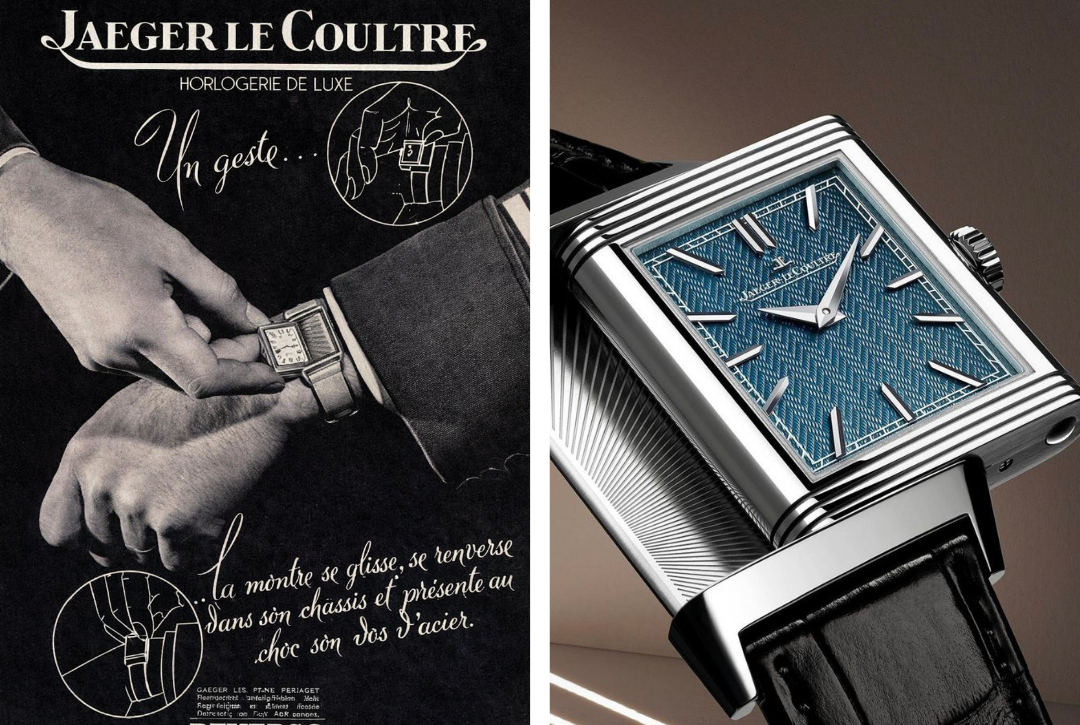
Luxury also fulfills an aspirational role. Even those who do not directly access it participate in the dream it represents. Seeing a celebrity with a DIOR bag or a world leader with a JAEGER-LECOULTRE watch projects the idea that luxury is not mere consumption, but a symbol of success and distinction. In this sense, luxury becomes a silent language that communicates who you are and the place you occupy in society.
Fashion for the present, luxury for eternity
The difference between fashion and luxury is not simply a matter of price or access. It is, above all, a question of meaning. Fashion responds to the present, to the need to constantly reinvent the wardrobe and to take part in a collective conversation. Luxury, by contrast, is a promise of permanence, a symbolic universe that appeals to dreams, exclusivity, and heritage.
Perhaps this is the key to understanding them: fashion is a language that connects us with the immediate; luxury is a narrative that invites us to dream of eternity.